
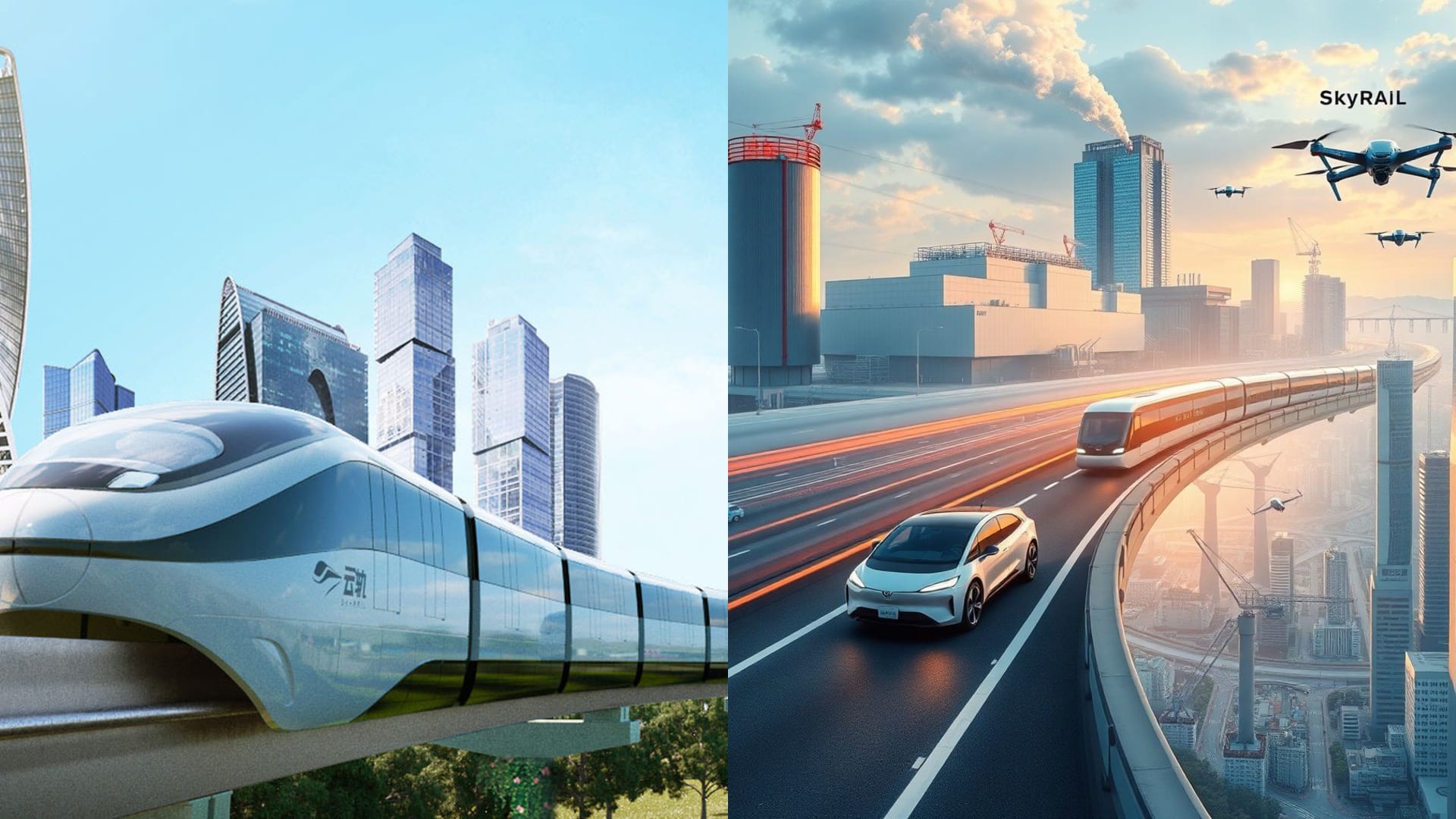


BYD leads in electric vehicles and advances in energy, batteries, and SkyRail, showcasing a portfolio that extends beyond automobiles.
Neste artigo
What is behind BYD's dominance?
BYD, an acronym for Build Your Dreams, is China's largest automaker. In 2025, it also became the world's largest producer of electric vehicles, surpassing Tesla in sales with 2.26 million EVs manufactured compared to the American rival's 1.63 million.
Beyond Automobiles: BYD's Reach and Numbers
The company was founded in 1995 with only 20 employees and began as a Ni-Cd battery manufacturer. By January 2025, this level approached 1 million jobs, with 11 research institutes and about 110,000 engineers. In addition to its automotive operations, the group is strongly active in the electronics, new energy, and rail transport segments.
BYD Electronics (International) listed shares on the Hong Kong Stock Exchange in 2007. The company provides services to companies such as Xiaomi, Lenovo, Huawei, and iRobot, including material development, design, precision manufacturing, testing, and certification, in addition to supply chain management. Its products include notebooks, smartphones, and tablets, as well as smart items like gaming hardware, drones, AI servers, home energy storage solutions, 3D printers, medical devices, and robots.
BYD claims to be the only source capable of offering product design and manufacturing services that also provide structural parts made of plastic, ceramic, glass, or metal. Furthermore, it offers a unique purchasing solution, acting as a contract manufacturer with turnkey solutions.
Energy and Batteries: Dominance Complementing the Portfolio
BYD is seen as a pioneer in the new energy sector, with 13 years of experience in energy storage and 24 years in battery manufacturing. BYD Energy holds 14,000 authorized patents in the area and maintains the world's largest iron-phosphate battery factory, combining competitive cost with longevity compared to Tesla.
The company serves the entire energy generation, storage, and usage chain—from solar power generation plants to storage and usage solutions, including electric forklifts that use the generated energy.
BYD's energy ecosystem is described by the company as a complete zero-emission cycle.
Rail Transport: Total Technology Control
In the rail sector, BYD holds full control of its intellectual property, which allows it to offer everything a transport system needs—from design to operation, including track layout, vehicles, operating software, and maintenance.
To combat urban congestion, the company developed SkyRail, an electric-powered monorail system. The project involved investments exceeding US$ 723 million and the participation of over 1,000 engineers over five years, with pre-fabricated tracks built in central or elevated areas above roadways. The idea is to reduce construction costs and timelines compared to traditional metro systems, with a capacity of 10,000 to 30,000 people per hour.
I Invite You to Comment
What do you think of BYD's multisectoral expansion? Leave your expectations in the comments about how energy, mobility, and technology might intersect in the coming years.
Alert: Dongfeng Box gains six airbags without price increase; what changes for buyers?

Toyota bZ sales soar in the US in Q1 2026, surpassing the Chevy Equinox EV

Ioniq 5 defies expectations: sales up 14% in Q1 2026

GM maintains lead in US sales in Q1, with March boosting recovery

IONIQ 5 boosts Hyundai's record March and points to a stronger Q1

Forester Wilderness Hybrid: vegan interior, 12.3-inch digital dashboard, and orange trim