
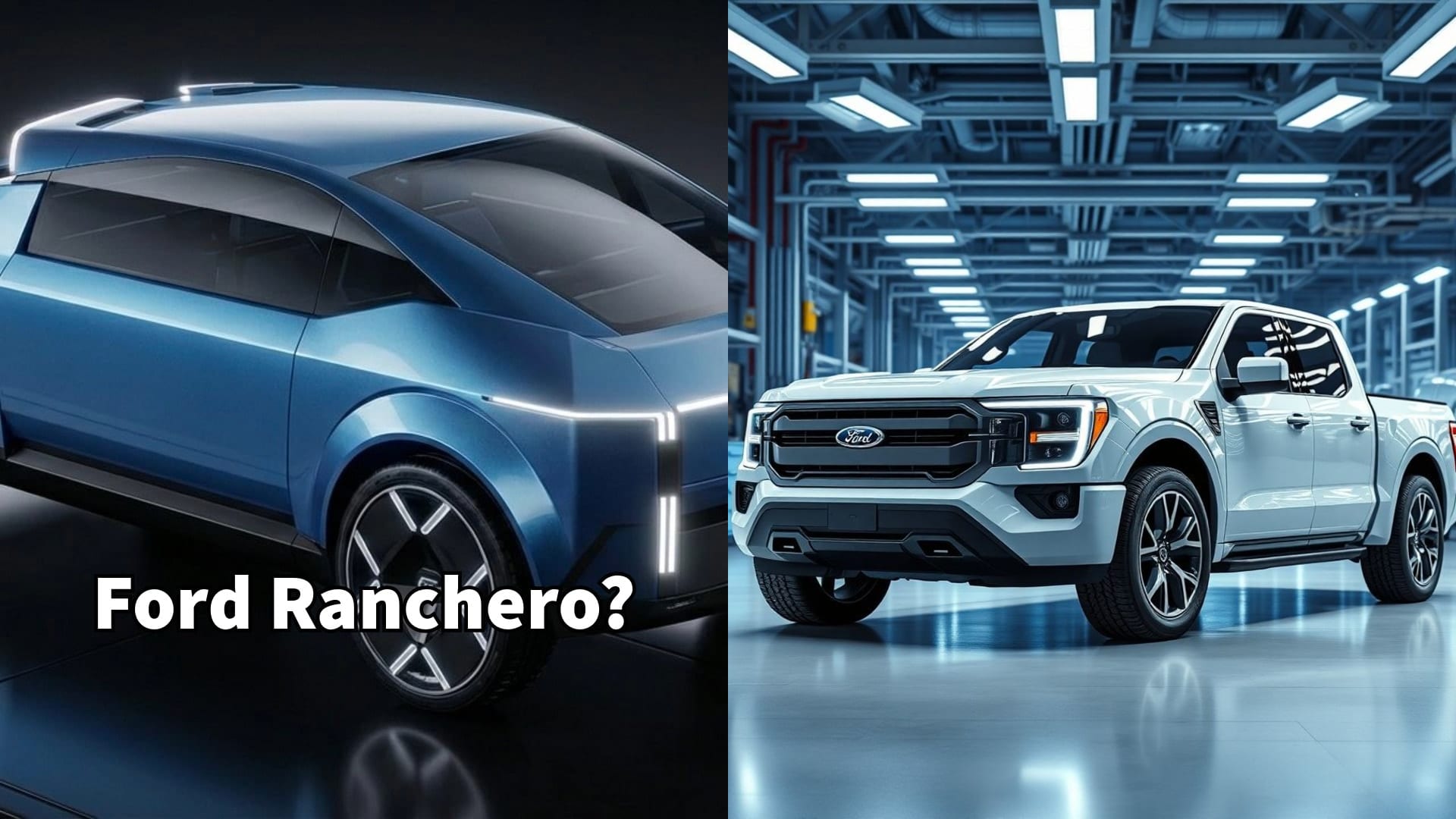


Ford launches a $30k electric pickup based on the Universal EV platform, seeking to compete with Tesla with simpler and cheaper production.
Neste artigo
Ford bets on a $30k electric pickup with a universal platform
Ford is rewriting its EV strategy after reviewing billions of dollars invested in 2025, including the cancellation of the F-150 Lightning. The new bet is the Universal EV platform, with the first model expected in 2027: a utilitarian coupe pickup truck that should cost around $30,000.
In the current scenario, Tesla dominates with software, efficiency, and popularity, especially after the Model S and the evolution to Model 3 and Model Y. Tesla's Gen-3 goals, which intended to sell millions of EVs per year by 2030, have been revised, opening space for Ford to pursue its own path.
Ford copies, but with its own strategic touch
CEO Jim Farley admires Elon Musk, but with his own strategic view. Ford quickly adopted the NACS charging standard and interest in FSD licensing, moving toward a reform of its EV strategy. Instead of large electric SUVs, the company is betting on a clean sheet platform to reduce costs and accelerate production through an internal startup-style team, close to Silicon Valley.
The new focus seeks to institute an approach similar to Musk's, but with the advantage of being executed independently. The F-150 Lightning, for example, is described as a low-effort modification of an ICE, motivating different path choices.
Universal EV: what's new
- Three distinct sections: front, rear, and the structural battery pack.
- Unicastings for the front and rear, with dedicated lines, called trees, which converge to the final assembly line.
- The structural pack handles final assembly, with seats and carpet integrated into the battery unit.
- Reduction in parts and fasteners: about 20% fewer parts and 25% fewer fasteners.
- Zone control architecture: only five ECUs in the pickup, with internally developed infotainment and ADAS.
- In-house development of control modules, to reduce cost, weight, and space.
- Production with the potential to reduce assembly time by up to 40% compared to Ford's current vehicles in Louisville.
Tesla's DNA in Ford's approach
The development team includes former Tesla engineers, with leader Alan Clarke, who spent 12 years at the company. Although there is no confirmation of direct licensing, the proximity to Gen-3 practices is evident.
Ranchero Name and the Style of the New Pickup
Rumors indicate that the pickup might be named Ranchero, as Ford has registered the trademark. Although registration does not guarantee use, the historical reference may appeal to fans of pickups with nostalgic traits, even if the registration does not guarantee use.
When will it hit the market?
Ford plans to launch the mid-size pickup and a related SUV around 2027, with a target price of $30,000. The comparison with Tesla's Cybercab is used to illustrate the timeline, while the three-section production team seeks to speed up assembly with the unified system.
Conclusion: Ford in the race for efficiency and price
If it meets its promises, Ford could offer a modern, profitable, and affordable EV, bringing together innovation and cost under a single platform. The market will be watching to see if Tesla maintains leadership or if Ford's approach will open space for a competitor with its own path.
How do you see this dispute: will Ford really manage to deliver a $30k EV using this strategy, or is Tesla's leadership still unbeatable?
Alert: Dongfeng Box gains six airbags without price increase; what changes for buyers?

Toyota bZ sales soar in the US in Q1 2026, surpassing the Chevy Equinox EV

Ioniq 5 defies expectations: sales up 14% in Q1 2026

GM maintains lead in US sales in Q1, with March boosting recovery

IONIQ 5 boosts Hyundai's record March and points to a stronger Q1

Forester Wilderness Hybrid: vegan interior, 12.3-inch digital dashboard, and orange trim